
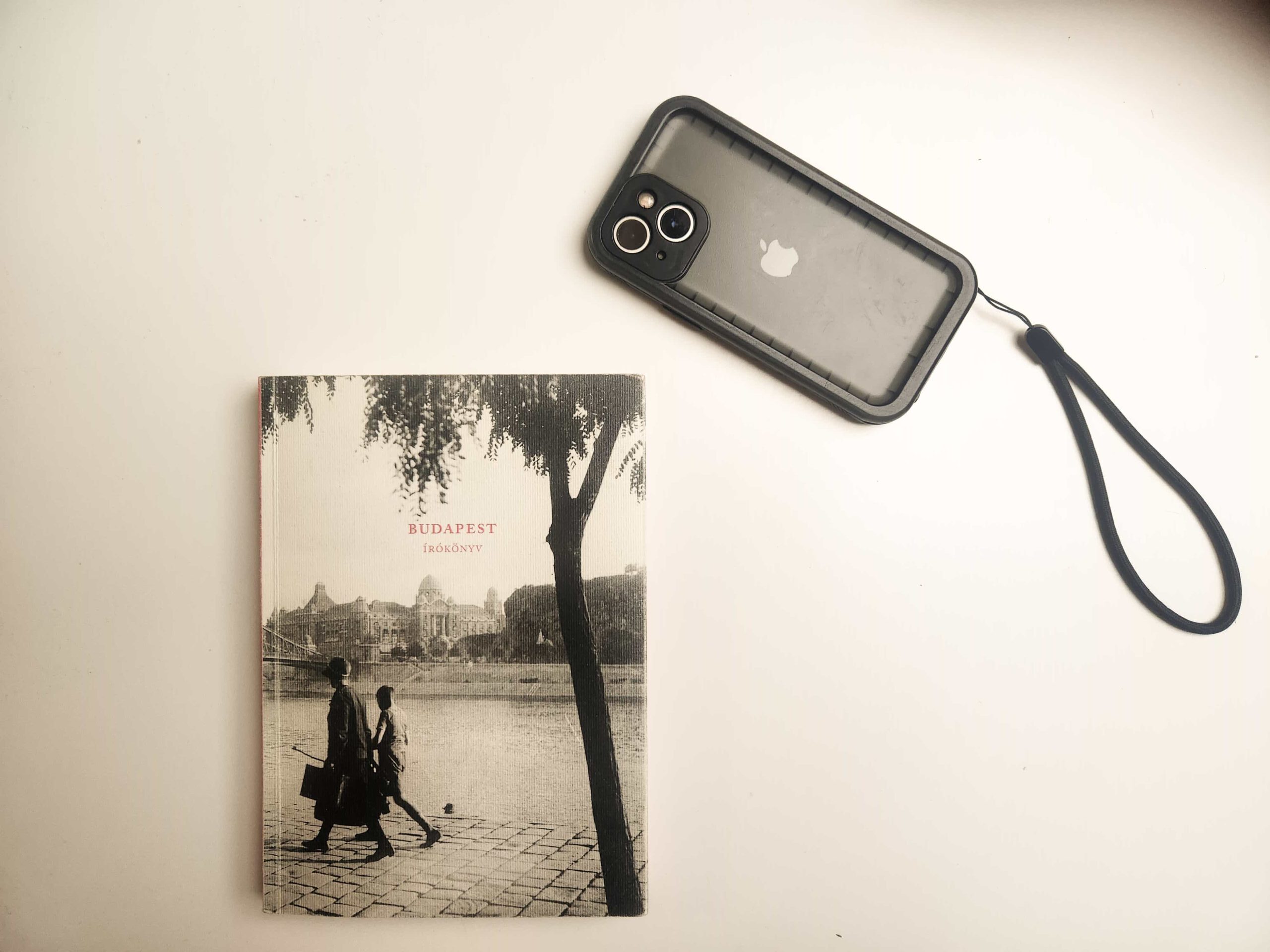
Precious downtime can be hard to come by in our day to day lives. When we are all either working, studying or fulfilling other peoples requests of us throughout the day, when we finally do encounter time for ourselves it’s a coveted possession. As far as how we spend our spare time, I see it as we have two choices: passive or active downtime.
Passive downtime essentially is downtime where the program and content is largely chosen for you. When I say this I mean scrolling through social media or choosing broadcast tv where a program is followed and you don’t have any influence on choosing the program that is offered (apart from changing channels which is just a sidestep to another predetermined program). While TV has been a household staple since the 50’s the accessibility of passive downtime has increased, with smartphones being with us all the time, our passive downtime machine is always at hand – on the toilet, on the metro, and even in between conversations when catching up with friends.
Algorithms have also become much more intelligent, being able to far better script what content we might enjoy, think about how much more time you have spent scrolling in 2025 compared to 2020. Thanks to this algorithm our reward centres in our brains are constantly firing while scrolling – it starts with a post about the Formula One result that weekend, oh look now its taken me to a video of a dude jumping into water from progressively higher points, there goes 1 minute until I get to the highest jump – 30 metres wow!, now look here’s a video of a steam train, amazing! And the cycle goes on and on. The same happens with TV, I’ll jump on to watch a football match, then to see that Saturday afternoon footy leads into Saturday night footy, and then once that’s finished oh look the 40 Year Old Virgin is on, I love that movie! And there goes 6 hours.. anyway you get the point.
That’s where active downtime is so important. Active downtime is where you deliberately make a choice on how you spend your downtime; that might be working on a hobby – for instance , you have to choose what specifically within that hobby you are going to work on. Alternatively you might choose to read a novel. Even choosing a specific YouTube video to watch is active downtime at play. This downtime should feel refreshing as it is something you are genuinely interested in doing, however both the choice to engage in this downtime and the increased mental effort required to enjoy it relative to passive downtime can mean that its just easier for you to sit scrolling your feed. There are proven scientific benefits to this too, long term multi-country research has shown being actively engaged in a hobby brings fewer depressive symptoms, better self-reported health, more happiness and higher life satisfaction1.
The best flow-on effect from engaging in active downtime is that it will generally leave you in a better position compared to passive downtime. By committing to a novel, you give yourself long form exposure to a character’s inner world, which tends to increase empathy2, or if it’s a nonfiction book you will end up more informed on the subject of that book. If you engage in a hobby, you are likely creating something or progressing your learning and experience within that hobby.
Passive downtime isn’t all that bad, I do believe there really is a place for a brain rest after a particularly tiring day. I need it, we all do. So many times I look forward to passive consumption, if I know Friday night footy is on it can be a real motivation to get through those last few hours at work. However, what I’ve noticed is that extended passive scrolling or watching can too easily turn into procrastination, or sap inspiration from any future life choices. How often is it that you have an important task to do in your life that just happens to be pushed back so far in the day that its suddenly too late in the day to start it. Sometimes its because other things have come up, but often its because you’ve spent the last 20 minutes scrolling.
Fundamentally underpinning passive downtime is that we don’t have to make any CHOICES when we undertake it. This is why its so appealing as a form of switching your brain off for a period of time. The consequence of this is that we become less inclined to take responsibility for decisions in future. I firmly attribute this to the increase of passive downtime consumption. Less decision making flows on to procrastination or avoidance of making decisions in other areas of our lives as well, which then leads to further consequences in our extended lives.
By engaging in active downtime more we are increasing the amount of decisions made in a day even if it is by a factor of one, and the best part is that the decision is completely ours to make. So in other words we are choosing what we choose to do. This here is the most important benefit active downtime has in inspiring us to make future choices. Think about it, you don’t choose to get up to go to work, you are bound by it, the decisions you make at work are not optional – you have to choose something or you’ll be fired for incompetency or laziness, but choosing what to do with your free time, now THAT is entirely owned by you.
This isn’t just fanciful stuff either. Albert Bandura the professor who pioneered the concept of self-efficacy dedicated his life to researching this idea. In his 1977 seminal paper ‘Self-efficacy: Toward a unifying theory of behavioral change’ Bandura talks about how mastery experiences are one of the pillars of self-efficacy. Mastery experience refer to an experience of success which builds belief in one’s capabilities3. He further expands on this in his 1997 research ‘Self-efficacy: The exercise of control’ by telling us that small incremental successes build confidence progressively4.
This matters because the decisions you make with what to do during active downtime are incredibly likely to be successful, that is you’re not going to see it as a waste of time compared to passive downtime. You aren’t choosing activities you dislike or find pointless, you are choosing things you enjoy. That enjoyment means the time spent feels worthwhile, and as a result, the activity is experienced as a success rather than a waste of time in the way passive downtime often is.
However, I want to go one step further and argue that we should reframe ANY decision we actively make to be seen as successful. We are overwhelmed today with decisions, look at Netflix and how many movies or tv shows there are to choose from. This has been well documented in psychological studies, the paradox of choice is that although you have more options, with each option you have you are less likely to be satisfied with that whatever option you choose5 and consequently any decisions will feel harder. So given that the amount of decisions we are overwhelmed with daily, why wouldn’t we try see the act of making a decision entirely owned by us as a success? Thereby starting that snowball effect of progressive small successes inspiring us to bigger successes.
Small decisions in these situations inspire confidence for you to make larger decisions in life. What starts with a decision to read that novel you got for your birthday leads into future decisions to continue reading that book, which then you decide you’re not going to stay in your shitty dissatisfying job which then inspires you to choose to make a career change.
One choice now inspires the confidence in yourself to make larger choices later. And as each of those choices stack up, your confidence in making your own choices compounds. Ultimately feeling in control of your choices will make you feel more in control of what you can control in your life. So next time you have an hour to kill, don’t spend it all passively going along with suggested content, choose the active downtime path and dive into that novel, work on that hobby or choose a YouTube video with conviction instead. The choice is yours to own.
References
- Fancourt, D., Finn, S., & Steptoe, A. (2023). Hobby engagement and mental wellbeing among people aged 65 years and older in 16 countries. Nature Medicine, 29(10), 2652–2660. https://doi.org/10.1038/s41591-023-02506-1
- Wimmer, L. F., Currie, G. P., Friend, S., Wittwer, J., & Ferguson, H. J. (2024). Cognitive effects and correlates of reading fiction: Two pre-registered multi-level meta-analyses. Journal of Experimental Psychology: General, 153(6), 1464–1488. https://doi.org/10.1037/xge0001583
- Bandura, A. (1977). Self-efficacy: Toward a unifying theory of behavioral change. Psychological Review, 84(2), 191–215. https://doi.org/10.1037/0033-295X.84.2.191
- Bandura, A. (1997). Self-efficacy: The exercise of control. W. H. Freeman.
- Schwartz, B. (2004). The paradox of choice: Why more is less. New York, NY: HarperCollins.