
Australians really are spoilt for choice when it comes to fresh produce. Coming from a continent where summer sweetcorn grows alongside winter pumpkin, it can be a real shock when you’re travelling or living abroad to discover that your favourite foods are suddenly out of season.
As I’ve discovered many times recently through visits to my local LIDL the produce is ever changing, more so than in Woolies as I’m used to (Woolies being the colloquial name for Woolworth’s, one of Australia’s duopoly of supermarkets). My previous understanding of seasonal food availability was figs being only available in Melbourne for a period of 6 weeks across March – April. After all, fruits and vegetables such as passionfruit and pumpkin are available all year round on Australian shelves, even traditional winter vegetables such as broccoli are available throughout summer thanks to specialised growing techniques.
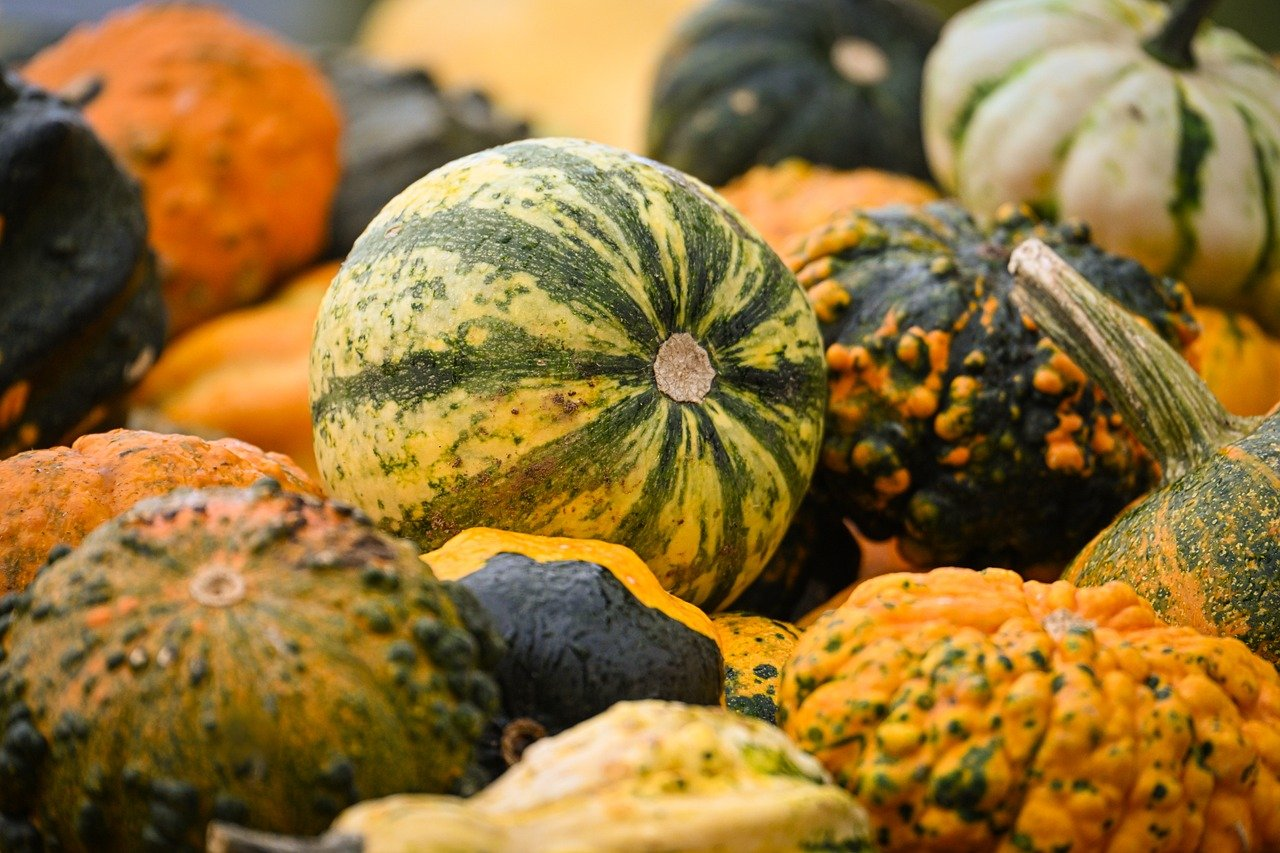
Most recently I was in my local LIDL and was alerted to the fact that it was pumpkin season. I might have missed it bar the pumpkins (tök in Hungarian) took up one quarter of the entire vegetable aisle. At the house where I am living in Budapest, pumpkin became a regular part of meals as soon as they were available on shelves. I believe there are several reasons for this; climatic, cultural, and economical.
Unlike Australia, which spans multiple climate zones, Hungary has a largely consistent climate across its territory, with variation occurring mainly between seasons rather than in regions. Therefore, there isn’t the luxury of growing “summer” and “winter” vegetables at the same time. Naturally, as summer sweetcorn is phased out the autumnal tök is phased in and the recipes passed down through generations gone past return to the front of mind. Favourites such as pumpkin soup (tökleves) and roasted pumpkin (Sült tök) grace kitchen tables and are cooked several times a week.
The arrival of a seasonal vegetable such as pumpkin inspires feelings of anticipation of the season ahead – cozy weekends and warm soups and baked goods for autumn in Hungary. A 2022 survey study conducted in Japan found that participants who emphasised seasonality when purchasing vegetables were significantly more likely to have feelings of nostalgia towards these vegetables, have associated autobiographical memories with them and feel comfort from them.
Perhaps in the same vein, seasonal produce offers opportunities to reinforce and strengthen social and community connections. I recently had the privilege of roasting chestnuts together with my girlfriend – cutting, soaking and roasting was a simple and enjoyable cooking endeavour we undertook together for an after dinner snack. And recently Halloween pumpkin has been taking another quarter of the vegetable aisle of LIDL, the simple act of advertising these as Halloween pumpkins inspires images of children and adults alike carving faces into said pumpkins together.
Economically, pumpkin when it is seasonal is very reasonably priced compared to the average price of other staple vegetables in supermarkets. Given that Hungary has one of the lowest full time adjusted salaries in the EU, when compared to the price of groceries it can be very frustrating when browsing the aisles trying to find affordable produce. Pumpkin being in season means there is an abundance of the vegetable, keeping the prices on average low and within affordability of the average Hungarian. Compared to a country like Australia where wages are significantly higher, purchasing vegetables that aren’t in season but have been imported from another state several thousand kilometres away will have a higher cost but won’t necessarily be a deterrent from purchasing them.
Seasonal eating offers a chance to truly embrace the rhythms and flavors of a culture. In my case, spending a year abroad on a Working Holiday Visa that can’t be extended, I’m determined to make the most of every opportunity to try Hungary’s seasonal dishes while I can. The Hungarian TV show Ízőrzők has been an unexpected treasure despite its … unusual.. transition music – introducing me to foods I’d never have discovered back in my comfort bubble. Dishes like töltött káposzta (stuffed cabbage leaves) and gombás-zöldséges raguleves (mushroom and vegetable soup) are now high on my list to try. Seasonal eating doesn’t sound so bad after all.
References
Author Unknown (n.d.). Ultimate guide to fruit & veg growing seasons Australia. Retrieved 31/10/2025 from https://mrstacky.com.au/ultimate-guide-to-fruit-veg-growing-seasons-australia/
Eurostat. (2024, November 7). Annual full-time adjusted salary in EU grew in 2023 [News release]. European Commission. https://ec.europa.eu/eurostat/web/products-eurostat-news/w/ddn-20241107-1
Gotow, N., Nagai, Y., Taguchi, T., Kino, Y., Ogino, H., & Kobayakawa, T. (2022). Nostalgia evocation through seasonality-conscious purchasing behavior revealed by online survey using vegetable names. Scientific Reports, 12, 5568. https://doi.org/10.1038/s41598-022-09485-2